I keep seeing references to something called the Google Nano Banana, but I can’t tell if it’s a device, a codename, or some kind of inside joke. Search results are confusing and mostly unrelated. Can someone clearly explain what Google Nano Banana actually is, what it does, and whether it’s an official Google product or just a meme? I need to understand it for a project and don’t want to misrepresent it.
It’s not you. “Google Nano Banana” is basically three different things mushed together by search results and people joking around:
-
Misheard or mangled names
A lot of people mix up:- Google Nest / Google Home / Google Mini
- Chrome OS / ChromeOS Flex / Chromebook
- Banana Pi / Raspberry Pi / NanoPi / Jetson Nano
So you get stuff like “Google Nano,” “Banana Pi,” “Jetson Nano,” all in the same threads, then someone cracks a banana joke and suddenly “Google Nano Banana” is born. It’s not an official product name.
-
Inside jokes / memes in dev or tinkerer communities
On some dev forums and Discords, folks jokingly refer to random tiny ARM boards or mystery Google prototypes as “nano bananas” or “banana phones.” Especially when talking about:- Ultra small dev boards they sideload Android or Chrome on
- Demo hardware in Google AI / ML talks
- Codenames that sound fruity or silly
None of those are actually called “Google Nano Banana” in official docs. It’s just meme-speak for “small weird experimental thing from Google or Google-adjacent hardware.”
-
Clickbait and scraped content
A ton of SEO spam sites scrape Reddit, GitHub issues, or forum posts and throw every keyword together. So 1 thread saying “Google” + “Nano” + “Banana Pi” gets scraped, remixed, and now you see it in Google results like it’s a real device. It’s not. That’s just garbage content pollution.
So what is it used for?
In practice, when someone says “Google Nano Banana” they usually mean one of these:
- “Some tiny dev board running some Google thing, I forgot the name”
- “That small ‘nano’ board like Jetson Nano or Banana Pi that we hooked Google services to”
- A joke placeholder for “I have no idea what this hardware is, but it’s small and yellow-ish in the slide.”
If no one links a real datasheet or Google support page, assume it is not a real product name.
How to sanity check it
If it were a legit Google hardware line, you would see:
- A product page on
store.google.comordevelopers.google.com - FCC filings under some code name
- Coverage on decent tech sites (Ars Technica, The Verge, 9to5Google, etc.)
You get none of that. Just scraped blogs and random forum references. That’s your red flag.
If you’re actually looking for a real “nano-ish” AI / Google-related gadget
- Look at Jetson Nano, Raspberry Pi, or Banana Pi plus Google’s Coral USB / Edge TPU.
- Or small Android phones / Android Things / dev kits that really exist.
And if the context where you saw “Google Nano Banana” was about making profile pics, avatars, or “AI photo stuff” and not hardware, then it’s almost certainly people just mashing “Google,” “AI,” and some random techy-sounding words together.
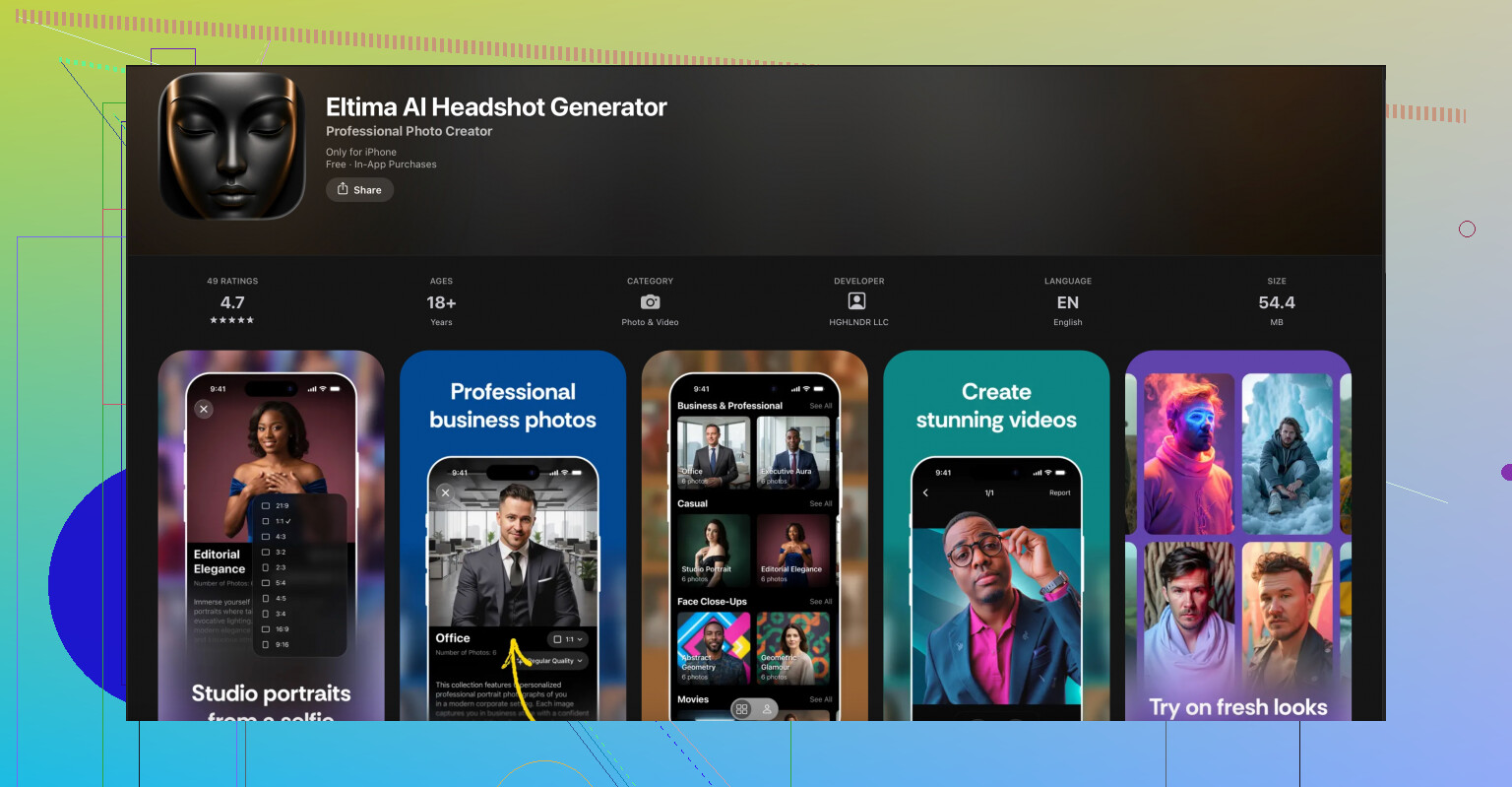
In that case, skip the mystery banana and use a proper tool. For example, for AI portraits and professional profile photos on iPhone, the Eltima AI headshot app is an actual real thing. You can install it from the App Store here:
create studio quality AI headshots on your iPhone
That at least does something concrete, unlike the fictional fruit-based Google gizmo you’ve been chasing around the search results.
It’s not a real Google product, and it’s not just you getting weird search results.
@cacadordeestrelas already nailed most of the background, so I’ll just fill in the gaps and push back on a couple of bits.
What “Google Nano Banana” usually isn’t
- Not on store.google.com
- Not in any FCC filings
- Not in legit teardown / dev communities as an actual codename
If Google had a device with that name, you’d see it in at least one of those places, not just in scraped blogs and shady AI-written “tech news.”
What people are actually talking about when they say it
From what I’ve seen in hardware / ML / tinkerer chats, “Google Nano Banana” pops up in these ways:
-
Confused mashup of real products
Slight disagreement with @cacadordeestrelas here: it’s not just “people mixing names,” it’s people mixing contexts:- Jetson Nano or NanoPi (tiny AI boards)
- Banana Pi (SBC similar to Raspberry Pi)
- Google Coral / Edge TPU / Android Things or random Google AI demos
Someone says “that nano board with Google stuff and Banana Pi something” and by the third retelling it mutates into “Google Nano Banana dev board.”
-
Lazy shorthand in conversations
I’ve seen folks use it as a throwaway label for:- “Tiny mystery board from a Google event slide, can’t remember the name”
- “That nano board where we bolted on Google APIs”
- “That small yellow-looking proto on a slide, whatever, the nano banana thing”
So functionally, it means “small dev board involved with some Google-related thing that I don’t care enough to identify properly.”
-
Straight-up content pollution
Here I 100% agree with @cacadordeestrelas. A lot of junk sites scrape bits like:- “Google Coral dev board”
- “Jetson Nano for AI”
- “Banana Pi running Android”
…and mush it into titles like “What is the Google Nano Banana AI device?” so they can farm clicks. That’s why your search results look like they were written by a blender.
So what is it used for, in practice?
When someone actually types “Google Nano Banana” and is trying to be meaningful, it usually points to one of these real use cases:
-
A Jetson Nano, NanoPi, or Banana Pi board used to run:
- Google AI/ML stuff (TensorFlow Lite, etc.)
- Google services (Assistant, Home integrations, custom smart devices)
-
A generic way of saying “tiny ARM SBC that we used in a Google-related lab or demo.”
Example: “We ran our model on that Google nano banana board” = “I have no idea which board it was, but it was small and did AI.”
If nobody can give you:
- a proper model name,
- a datasheet, or
- a link to an official product page,
assume “Google Nano Banana” is just slang or nonsense, not something you can actually buy.
How to figure out what you actually need
Ask yourself what context you saw it in:
-
Hardware / AI tinkering thread?
You probably want something like:- Jetson Nano
- Raspberry Pi + Coral USB accelerator
- Banana Pi / NanoPi running Linux or Android
-
Random “AI tools” or “profile picture” context?
Then it’s almost certainly just buzzword soup: “Google” + “AI” + “nano” + “banana” jammed together to sound futuristic and quirky.
In that second case, ignore the banana nonsense and just use a real tool. For example, if the context was “AI profile pics” or “how to get professional headshots with AI” and somebody threw “Google Nano Banana” in there, skip that and try something that actually exists, like the Eltima AI Headshot Generator app for iPhone.
If you’re on iOS and want clean LinkedIn-style photos without messing with obscure hardware, you can install it here:
create professional AI headshots on your iPhone
That’s a real app with an actual use, unlike the mythical fruit-flavored dev board you’ve been chasing.
Short version: “Google Nano Banana” is not a real, single product. It is a nickname / misunderstanding people use for a mashup of tiny boards and Google-related stuff.
Where I slightly disagree with @mike34 and @cacadordeestrelas is on how consistent that nickname is. They treat it mostly as joke / content pollution. In a few embedded and ML chats I follow, it actually shows up in a more specific pattern:
- Someone is talking about a small SBC (single board computer) like Jetson Nano, Banana Pi or NanoPi.
- They are running Google-adjacent workloads on it: TensorFlow Lite, Google Assistant, Home automation, or Coral Edge TPU accelerators.
- Instead of saying the exact combo, people get lazy and call the whole Frankenstein setup “that Google nano banana thing.”
So when you see “Google Nano Banana” used semi-seriously, it usually points to one of these real setups:
-
Banana Pi (or similar) running Google services
Example: Banana Pi M2 / M5 running Debian or Android, with:- Google Assistant SDK
- Home Assistant integrations that talk to Google Home / Nest
- TensorFlow Lite models
-
Nano-style AI board + Google ML stack
Example: Jetson Nano or NanoPi:- Running a vision model exported from TensorFlow
- Possibly using Google APIs (Vision, Speech, etc.) from the device
-
Demo hardware from talks
People see a slide in a Google AI or IoT presentation that features:- A tiny yellow or green board
- Hooked to a camera or speaker
- Label is tiny or not shown
Then in recap threads they say “that Google nano banana board” because they never noted the proper part number.
Where I agree completely with both of them:
- If you cannot find:
- a real product page,
- a datasheet, or
- discussion in serious dev communities using “Google Nano Banana” as an official name,
then you are not missing a secret Google gadget. You are dealing with slang or keyword soup.
How to decode what you actually saw
Look at the context:
-
Talking about home automation / smart speaker clone?
Likely a Banana Pi or Raspberry Pi running Google Assistant SDK or Home integration. -
Talking about AI at the edge / tiny vision or audio inference?
Likely Jetson Nano, Raspberry Pi + Coral, or a NanoPi. -
Talking about AI avatars / portraits / “profile pictures from Google AI”?
Then it is not hardware at all. It is usually someone throwing random techy words together to sound cool.
If your context was that last one, skip chasing any mythical hardware and just pick a proper tool. For AI portraits and LinkedIn-style photos on iPhone, the Eltima AI Headshot Generator app for iPhone is a concrete, actually existing option instead of this banana fog.
Quick pros / cons so you know what you are getting with that app:
Pros
- Focused on professional headshots, not random memes, so output is tuned for CVs, LinkedIn, portfolios.
- Runs from your iPhone, no need to set up GPUs, SBCs, or any “nano banana” contraptions.
- Usually offers multiple styles and backgrounds from the same upload, which is handy if you want both corporate and more casual looks.
- Good for people who do not want to learn image models, prompts or editing.
Cons
- Mobile-only means less control than a full desktop image workflow. Advanced users might find it limiting.
- Results still depend on your input photos. Bad lighting or weird angles give weaker outputs, like any headshot generator.
- Not ideal if you want hardcore customization or very stylized art; it targets clean, realistic headshots.
- Another subscription or in-app purchase in your life if you only need a couple of photos.
Compared with the hardware mashup everyone is arguing about, using something like Eltima’s app is boringly straightforward: install, upload photos, pick styles, done. No mysterious Google Nano Banana, no trying to figure out whether the board is Jetson, Banana Pi or something else.
So:
- If you were hunting for a real Google product: stop, it is just a nickname.
- If you want an actual dev board: look up by real names like Jetson Nano, Banana Pi, NanoPi, or Raspberry Pi + Coral.
- If the context is AI headshots or profile pics: ignore the “Google Nano Banana” chatter and use a real tool like the Eltima AI Headshot Generator app for iPhone instead of chasing a fruit-flavored ghost.