I need a new professional headshot for my LinkedIn profile and work bio, but my old photo is outdated and I do not have the budget for a photographer right now. I have heard AI headshot tools can turn regular pictures into polished business photos, but I am not sure which ones look natural or how to avoid results that seem fake. I need help figuring out the best way to use AI for a realistic, professional headshot.
AI headshots got useful fast
I messed with a few AI headshot tools lately because I needed a cleaner photo for LinkedIn and a resume, and I did not feel like paying for a studio session. A year ago this stuff looked fake in a bad way. Now it gets passable results pretty fast, around 10 to 15 minutes from upload to export in some cases.
One app I tried:
 https://apps.apple.com/us/app/eltima-ai-headshot-generator/id6746581022
Eltima AI Headshot Generator
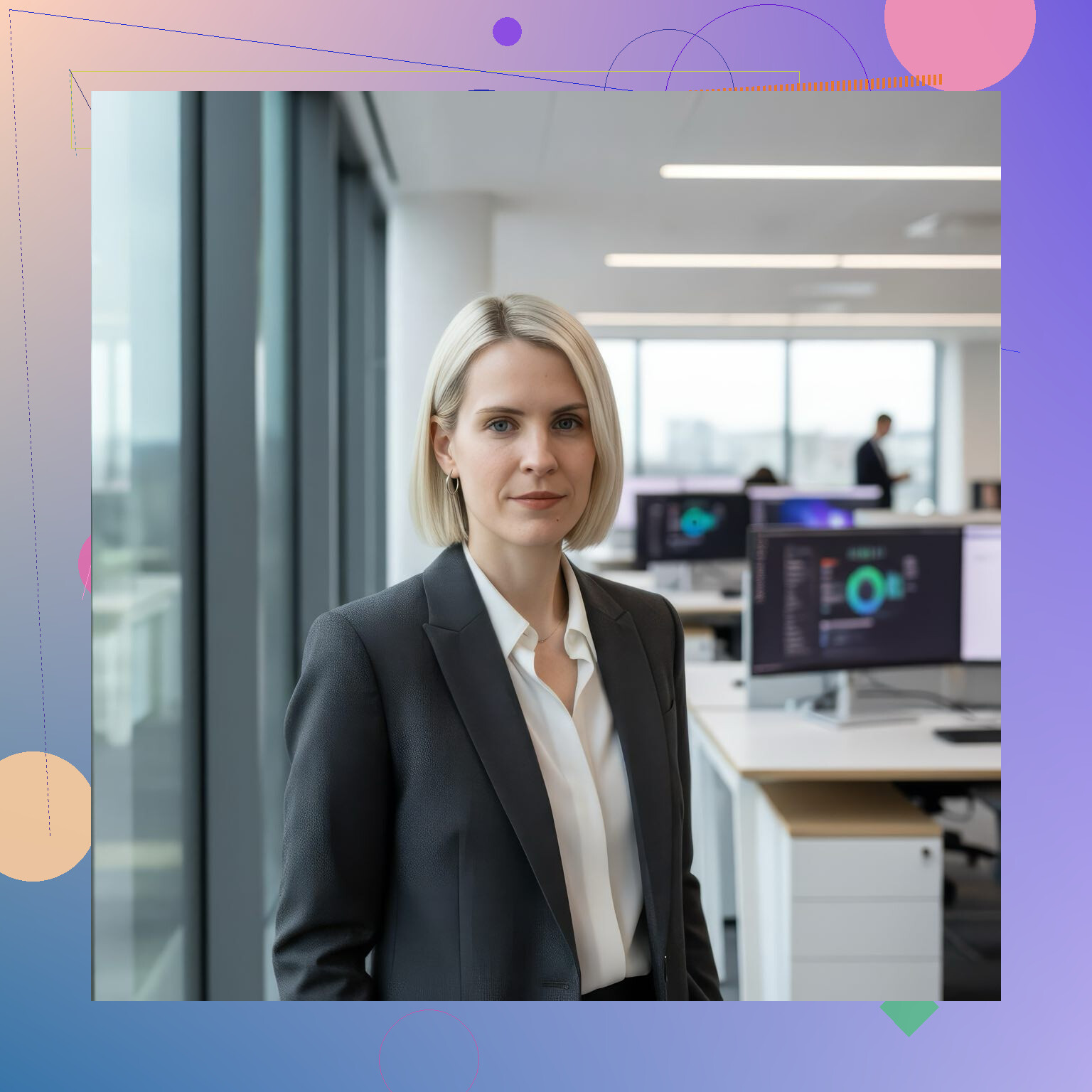
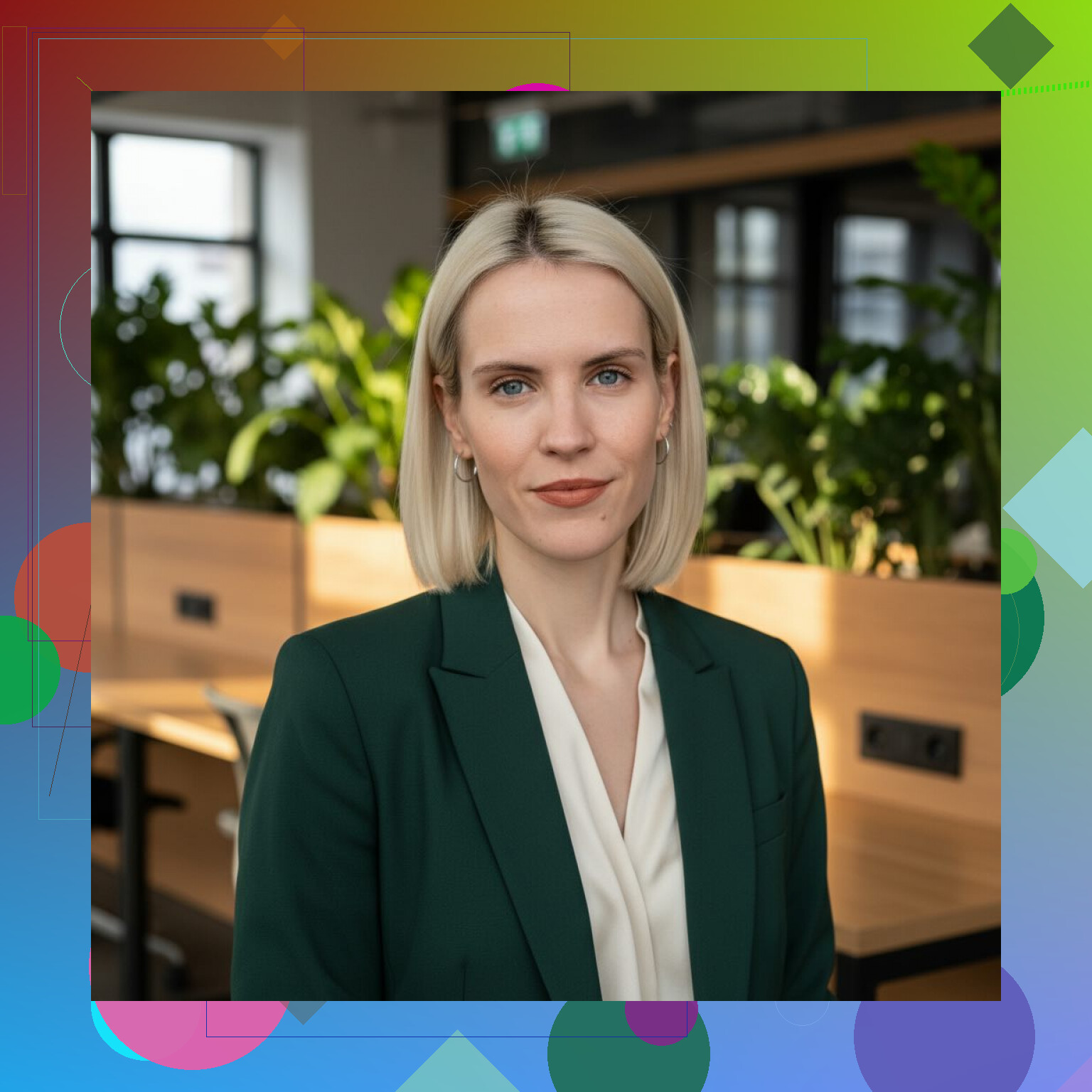
What stood out to me was how little setup it needed. I uploaded a batch of selfies, waited a bit, and got back a stack of studio-style portraits with different looks. Some leaned office-friendly. Some felt more relaxed. It cut out the annoying parts, bad room lighting, awkward posture, trying fifty takes to get one photo where your face looks normal.
A few other tools I looked at
InstaHeadshots
This one felt less glossy. Faces looked more natural to me, less airbrushed, less fake-corporate.
HeadshotPro
This one pushes hard into recruiter territory. Clean background, business look, polished styling. If your target is LinkedIn first, I get why people pick it.
Aragon AI
The realism looked strong from what I saw, but the turnaround felt slower, and the price sat higher than I wanted.
Canva AI tools
Not a dedicated headshot generator, at least not in the same way. Still useful after the fact if you want to clean up lighting, crop better, or fix small issues.
My take after trying them
For most normal uses, AI headshots are good enough now. I mean stuff like LinkedIn, portfolio pages, freelance profiles, company bio pages, maybe even a speaking submission if nobody is inspecting pixels. I ended up with images better than the usual phone selfie against a blank wall.
Still, I would not use one for something high-pressure where the photo needs to feel fully personal and accurate. Executive branding, media kits, press use, formal company leadership pages, stuff like tht. If you zoom in or stare too long, some AI shots still have a polished-but-off look. Skin gets too smooth. Eyes feel slightly wrong. Hair edges do weird things now and then.
What helped me get better results
Use decent source photos
I got better outputs from clear selfies with even lighting and a straight-on angle. No sunglasses. No heavy filters. No dark room shots.
Upload a mix
I had more luck when I gave it several photos instead of near-duplicates. Different expressions helped a bit, but I kept them subtle.
Do not expect miracles
These tools improve what you already gave them. They do not rescue terrible input.
Check the details
I had to look at teeth, ears, hairline, shirt collars, and hands if visible. AI still slips on tiny stuff.
Bottom line
If you need a clean professional photo fast and do not want to book a photographer, tools like Eltima AI Headshot Generator are worth trying. I would treat them as a quick upgrade, not a full stand-in for a real photo shoot. For most people, that is enough.
Yes. For LinkedIn and a work bio, AI headshots are often fine if your goal is “clean and current” instead of “magazine profile.”
I agree with @mikeappsreviewer on one point, input quality matters. I disagree a bit on the idea that AI is only a quick upgrade. For a lot of hiring contexts, a well-made AI headshot is enough if it still looks like you.
What I’d do is simple.
Use 8 to 15 recent photos. Different shirts, same haircut, neutral expresions. Daylight beats lamp light. Phone portrait mode helps. Avoid old pics if your face changed.
Then judge the output by trust, not polish.
Does it look like you on a normal day.
Would a coworker recognize you fast.
Do the eyes, teeth, and hair look sane.
If the image looks too smooth, too expensive, or too “corporate stock photo,” skip it. That stuff reads fake fast. Recruiters notice weird AI skin more than people think.
Best low-cost route:
- Take fresh phone photos.
- Run them through one AI headshot tool.
- Pick the least edited result.
- Clean crop and brightness in Canva or your phone.
- Ask 2 friends which one looks most like you.
If none of them look right, a friend with an iPhone and a window often beats AI. Weird but true. Sometimes the cheap non-AI option wins, lol.
Yes, AI can help, but I think people oversell the “replace a photographer” part a little.
What @mikeappsreviewer and @viaggiatoresolare both got right is that AI headshots are solid for LinkedIn-level use if the result still looks recognizably like you. Where I disagree a bit is this idea that the goal is just realism. For work bios, the more important thing is credibility. If the photo looks too luxe, too retouched, or too “venture capital guy standing in fake glass office,” it can actually hurt more than a plain decent photo.
My take: use AI as an editor, not a magician.
If you have a recent phone pic with decent window light, clean clothes, and a simple background, AI can absolutely polish it into something usable. If all you have are bar selfies, car pics, or blurry vacation shots, it’s probly gonna invent a version of you that looks close-ish but not quite right. That uncanny thing is what makes people look twice.
One thing I’d add that nobody mentions enough: check whether the tool changes your age, skin tone, face shape, or body size. Some of these apps quietly “optimize” people into a more generic attractive corporate person. That is not just weird, it can be a bad look professionally.
What I’d do:
- pick one recent clear photo that already feels like you
- use AI to improve background, crop, lighting, and wardrobe cleanup
- avoid dramatic style changes
- compare it side by side with your real face in a mirror or live selfie
- if it feels even slightly off, don’t use it
Honestly, a normal phone portrait taken by a friend near a window plus light editing can beat a fancy AI headshot. But if budget is zero, AI is def a legit middle option now. Just keep it boring and believable.